
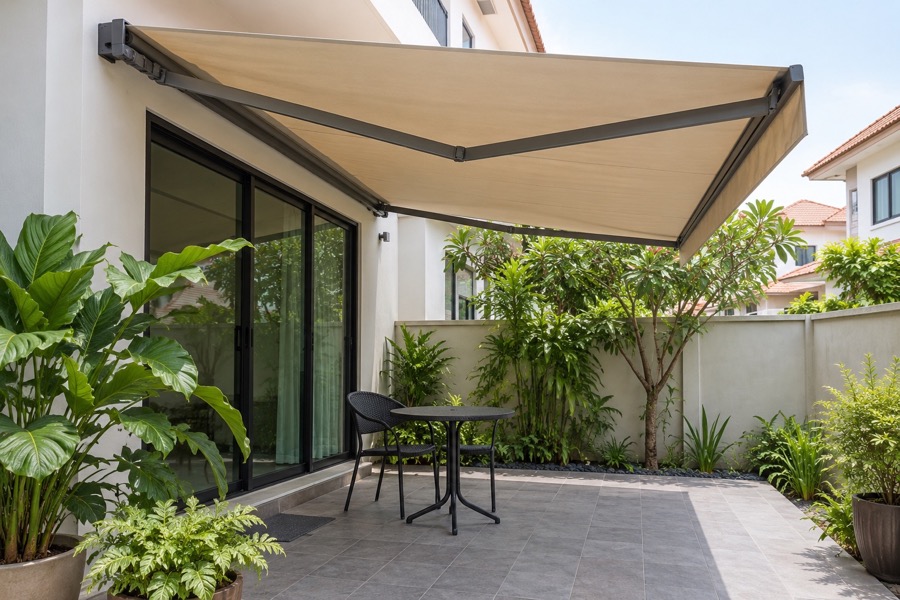
Shaded backyard patio
A comfortable patio or garden area starts with shade suited to the way you use the space. Some homeowners want adjustable coverage for afternoon sitting, while others prefer a fixed shelter for a regularly used outdoor corner. Ace Awnings provides shading and roofing solutions for residential properties in Singapore.
With 15 years of experience in the awning industry, we help you compare practical options for the site. Retractable awnings, fixed canopies, polycarbonate roofing and outdoor side shade address different needs and should be considered around the actual layout.
Tell us where you spend time, when direct sunlight is strongest and how open you want the area to feel. These details help guide the choice of coverage, fabric and operating method before an installation is proposed.
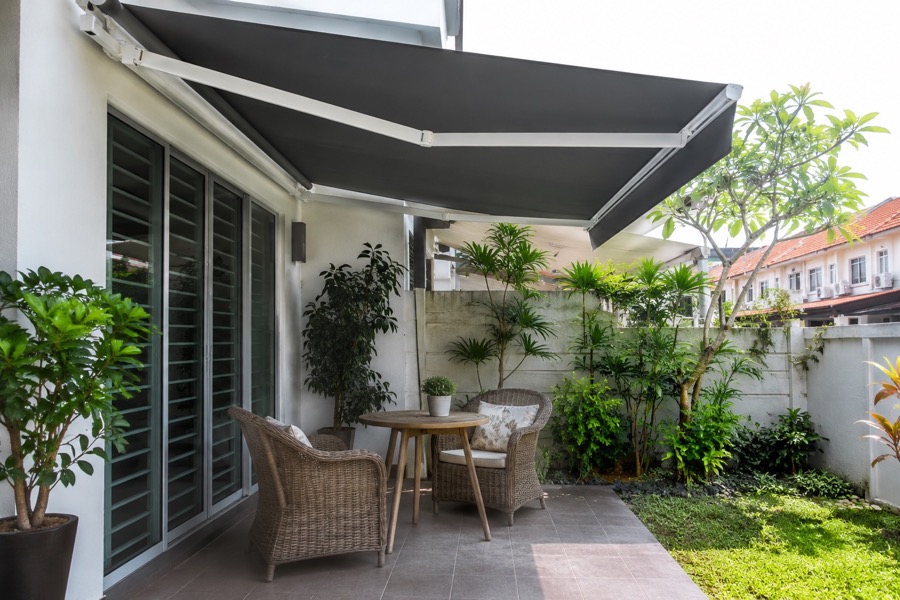
Garden fabric awning
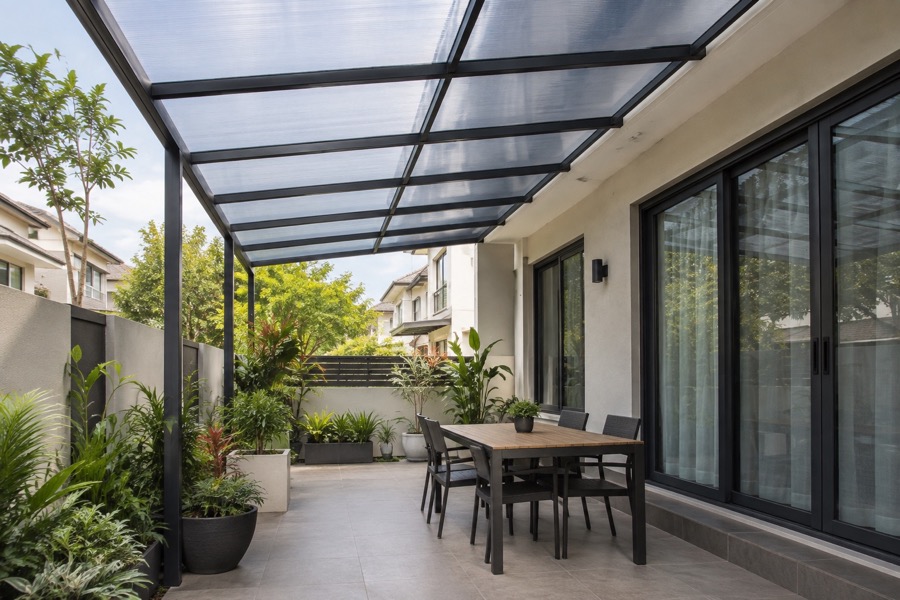
Polycarbonate patio trellis roof
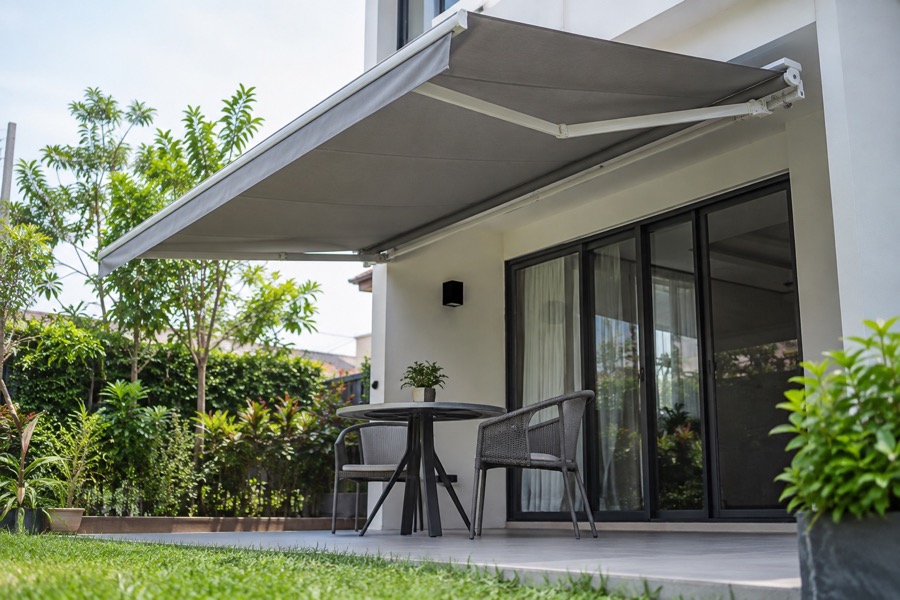
Retractable patio shade
Start with How You Use the Space
Think about the activities the area needs to support. A small sitting space, family dining patio and garden access route may need different shade arrangements. Note the direction of sunlight and the times when glare is most uncomfortable. Existing walls, nearby buildings and planting can change the exposure across the day.
Consider movement as well as furniture. Doors must remain usable and the shade should not make circulation awkward. The mounting positions and supporting structure also influence the available options. Photographs showing the whole area help explain these relationships more clearly than a close-up of the place where you want the cover to begin.
Adjustable Fabric Shade
A retractable awning allows you to cover or open an outdoor area according to your needs. Manual and motorised controls provide different operating choices. Lateral-arm designs keep the shaded area free of support poles beneath the fabric, making them useful where clear floor space is important.
Folding-arm awnings are intended for sun shelter in calm conditions. They should be retracted when stormy weather is anticipated, and water must not be allowed to pool on the fabric. If your main requirement is continuing roof coverage, compare the appropriate fixed options rather than assuming an adjustable fabric shade meets every weather need.
Fixed Canopies and Polycarbonate Roofing
An outdoor canopy can define a garden seating area and complement the surrounding property. Its frame, shape and fabric should reflect the intended use. Fabric choices affect shade, appearance and care, so discuss the selected material in relation to the site instead of choosing only by colour.
A polycarbonate roof provides another form of fixed coverage, with options that allow daylight through. It can be considered for trellis-covered patios and garden areas where the structure is suitable. Ask about the proposed panels, supporting frame and drainage scope. The actual product and installation details determine what is being supplied.
Side Shade and Adjustable Louvres
Low-angle sunlight may enter beneath an overhead cover. Outdoor roller blinds can be considered for suitable vertical openings where additional glare control or screening is needed. Their outdoor suitability and operating limitations should be confirmed. Overhead shade and side screening need to work together without obstructing access or movement.
Motorised louvres offer a different approach to adjustable overhead shade and are included in Ace’s shading range. Discuss the actual system and its suitability rather than assuming all louvre arrangements have the same coverage or weather performance. A site consultation can help compare these options around your priorities, available support and preferred appearance.
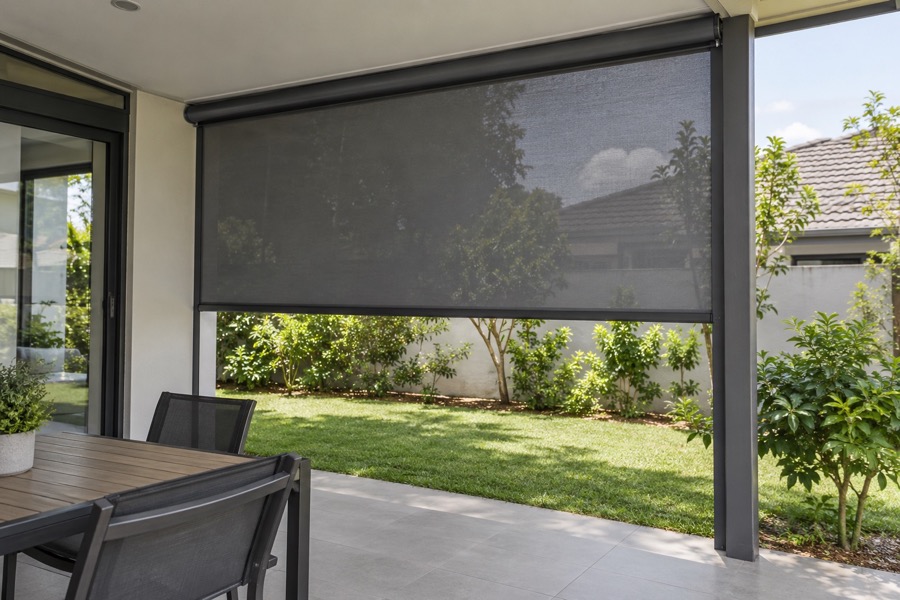
Patio roller side shade
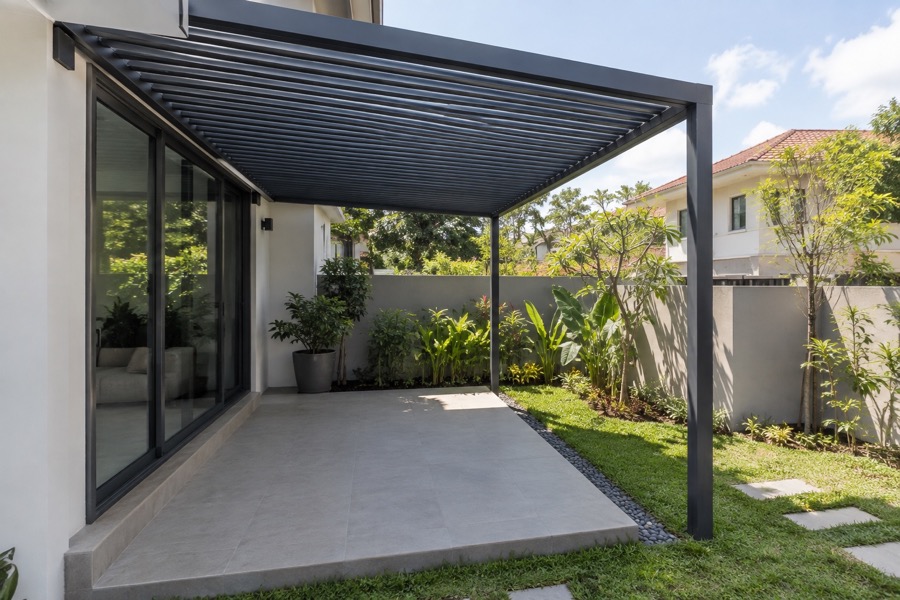
Garden louvre shade
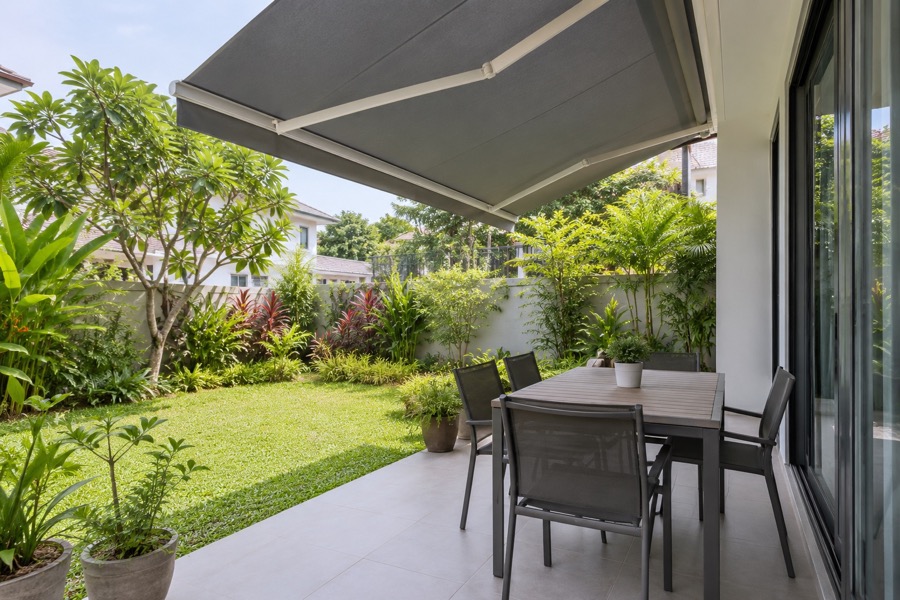
Covered patio and garden
Planning Installation and Ongoing Care
Before requesting an estimate, gather photographs, approximate dimensions and a short description of your priorities. Explain whether shade, daylight, privacy or fixed coverage matters most. Include any nearby fittings or access constraints that could affect the installation.
- Compare options according to the activities and exposure of the outdoor area.
- Confirm the mounting arrangement and supporting structure during the site assessment.
- Check the fabric or roofing specification and what is included in the quotation.
- Understand the operating limitations of any moving shade system.
- Follow product-specific cleaning guidance and keep debris from collecting.
- Arrange an assessment if movement, fixings or visible materials change in condition.
A useful shade solution should fit the space and be straightforward to use. Confirm any property-management or project requirements before installation, and keep the care instructions for future reference. With a clear scope and suitable operating expectations, you can choose the coverage that best supports the way you want to enjoy your patio or garden.
For proposed covers or shade devices, check URA’s current planning-exemption guidance and the requirements for your property. Compare motorised louvres for adjustable overhead shade and outdoor roller blinds for sunlight entering from the side.
Frequently Asked Questions
| Question | Answer |
|---|---|
Should I choose a manual or motorised retractable awning? | Manual awnings use a hand crank; motorised ones use a wall switch or remote. Many customers choose both, with the manual crank as backup if the motor fails. |
How much clearance does a retractable awning need? | At least six inches of horizontal space, and around seven feet of vertical clearance if installed at a steeper pitch. |
Do retractable awnings need ground support poles? | No, the retractable arms keep the fabric tensioned without needing poles or columns underneath. |
What's the difference between steel and aluminium torsion bars? | Steel torsion bars are generally stronger and can support wider fabric spans without centre support, compared to aluminium. |
How should I maintain my retractable awning? | Roll it up in stormy weather, avoid pooling water or hanging objects on it, clean powder-coated parts twice a year, lubricate moving parts annually, and never use bleach or strong detergents on the fabric. |